
This Mistake Everyone Makes with Tissues and Paper Towels
Tissues are waste that should be disposed of in a specific bin. Recycling is now well integrated into our lifestyles. But even with the best intentions, we sometimes throw certain items in the wrong bin.
Throwing away cans, glasses, plastic bottles, or cardboard boxes generally doesn’t raise many questions when we’re standing in front of the different bins for sorting. The same goes for paper. When sorting newspapers, envelopes, or flyers, the automatic reflex is to go straight to the yellow bin. But be careful, there’s a nuance… there’s paper and then there’s paper. Some are deceptive, and we certainly use them daily, even several times a day, thus multiplying our recycling mistakes… These are hygiene products.
According to waste management specialists, many of us throw without hesitation tissues or paper towels in the recycling bin for paper, cardboard packaging, metal, and plastic. Mistake.
Impossible Recycling
Hygiene products, such as tissues, paper towels, and napkins, should not be placed in the yellow recycling bin but in the regular household waste bin. They are not recyclable. Why, since they are paper?
Due to its composition, a tissue cannot have a second life. Thin and fragile, this paper cannot be reused because it is quickly destroyed in the machines at recycling plants. Another explanation lies in the potential danger of a soiled tissue. Given its primary function, it harbors microbes and dirt. It can therefore contaminate other waste, which should normally be processed and, consequently, cannot be recycled. Not to mention that the machines themselves can also become contaminated. All of this complicates sorting.
Thus, unintentionally, when we put single-use products like tissues, paper towels, napkins, or toilet paper in the wrong bin, we compromise the overall processing of other waste. We must therefore be extra careful when disposing of these hygiene products.
Paper recycling in Tennessee
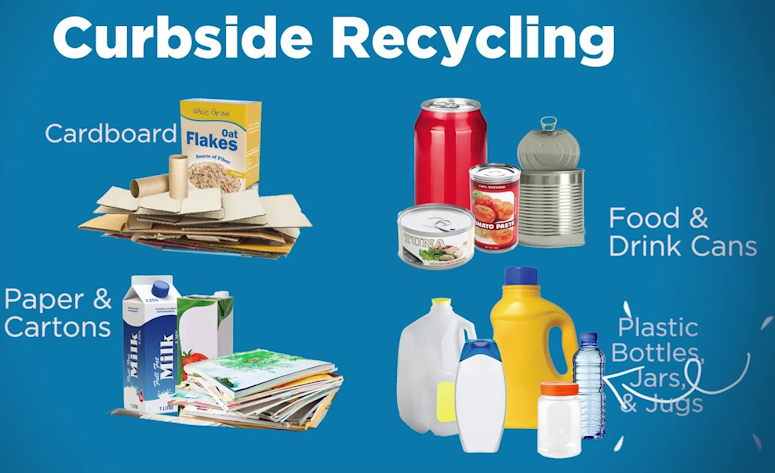
Paper recycling is an important factor in Tennessee’s waste reduction and environmental sustainability. Most cities curbside recycle, including Chattanooga. In Chattanooga for instance, residents can get a 95-gallon recycling cart for free, which would be collected every two weeks. The residents put mixed recyclables such as paper, cardboard, and cartons inside the bin, after which they are sorted and baled at a nearby materials-recovery facility and sold to manufacturers regionally.
Likewise, for towns such as Columbia, Tennessee and other residential areas, paper products such as newspaper, magazines, office mail, and cardboard are collected through either curbside or drop-off recycling services.
On a statewide level, the TDEC encourages recycling with guidelines and procurement policies in place: state government agencies are required to buy a percentage of recycled-content paper products.
The advantages of recycling paper are great. Recycled paper needs far fewer resources than new paper: it reduces air and water pollution, conserves water and energy, and cuts down the demand for cutting trees-a win for both the environment and sustainability.
As efforts to expand recycling continue, some areas of Tennessee have struggled with particularly low diversion rates or a general lack of infrastructure. In response, local initiatives- such as Recycle Right Tennessee are working to raise awareness of the items that can be recycled, in an effort to increase the overall recycling participation in parts of Central Tennessee. Paper recycling in Tennessee is a multifaceted approach that integrates curbside/drop-off recycling programs within local communities, statewide policy, and grassroots community efforts, all of which assist in mitigating paper waste from landfills, conserving natural resources, and building toward sustainability.